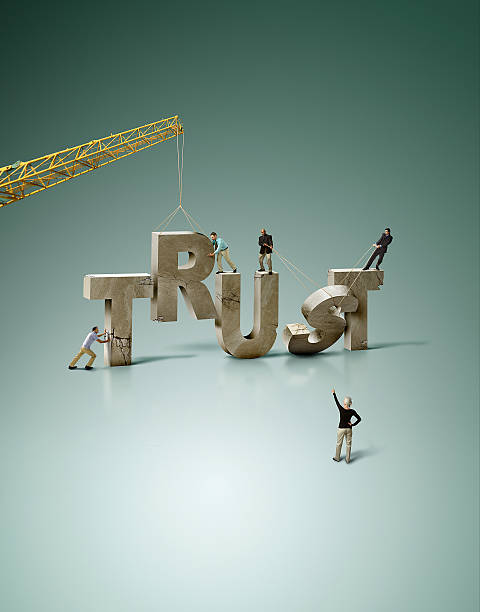
Fostering Trust Among Team Members

Fostering trust among team members is one of your most important roles as a leader.  Have you ever led a team where there was little to no trust?  Did you feel helpless, yet accountable for turning things around?  I’ve been there.  As a leader, you understand the importance of trust and how easily it can be broken, yet how difficult it is to rebuild.  It is the glue that holds great teams together. It’s what allows people to speak up with ideas, admit mistakes, and rely on one another under pressure. Without trust, collaboration turns into competition and innovation stalls. So, how can leaders help build it? One drop at a time.

Start with Transparency

Trust begins with transparency. Leaders can set the tone by openly sharing decisions, goals, and challenges—even when the news isn’t great. When team members see authenticity and vulnerability from the top, they’re more likely to reciprocate. Team members, too, can build credibility by being honest about deadlines, asking for help early, and admitting when they’re uncertain. This kind of candor clears space for real connection and problem-solving.

Create Safe Spaces for Communication

It’s hard to trust people you don’t feel safe with. That’s why psychological safety—the belief that you won’t be punished for speaking up—is foundational. Encourage team norms where every voice counts, and feedback is given constructively, not critically. Consider adding regular “retrospectives” or reflection meetings where people can discuss what’s going well and what could improve, without fear of blame. This helps clear the air and strengthens mutual respect.

Follow Through and Stay Accountable

Reliability is the engine of trust. When teammates consistently do what they say they’ll do, others learn to count on them. That doesn’t mean being perfect—it means communicating proactively and holding yourself accountable. If things slip, own up and reset expectations. When everyone on a team knows they’re rowing in the same direction, trust deepens.

Celebrate Strengths, Understand Weaknesses

Trust is about more than performance—it’s about humanity. Taking time to understand each other’s work styles, strengths, and quirks helps build empathy. Tools like personality profiles or “get-to-know-you” exercises can spark this insight. Equally important: recognize that every team member contributes differently. Celebrating these differences builds appreciation and confidence in each other.

Build Social Bonds

People trust people they know—not just professionally, but personally. Investing time in casual, non-work interactions can pay big dividends. Whether it’s team lunches, virtual coffee chats, or a group playlist everyone adds to, shared experiences create familiarity and rapport. Even small acts of kindness—checking in after a tough meeting, or remembering a teammate’s birthday—go a long way toward building genuine connections.

How do you Repair Trust Once It Has Been Broken?

Repairing trust in a team isn’t just about fixing what’s broken—it’s about rebuilding stronger foundations. Here are some ways you can encourage your team members to do that:

  1. Acknowledge the breach
    The first step is recognizing that trust has been damaged. Whether it was a missed deadline, a broken promise, or a communication breakdown, naming the issue shows accountability and opens the door to healing.
  2. Apologize sincerely
    A genuine apology—without excuses—goes a long way. It signals humility and a willingness to take responsibility. This is especially powerful when it comes from leadership, but it matters at every level.
  3. Understand the impact
    Take time to listen to how the breach affected others. This builds empathy and shows that you’re not just focused on moving on, but on making things right.
  4. Outline corrective actions
    Trust isn’t rebuilt with words alone. Share what steps you’ll take to prevent the issue from recurring. This might include new communication norms, clearer expectations, or more consistent follow-through.
  5. Invite collaboration
    Rebuilding trust is a team effort. Ask others for input on how to move forward. This not only empowers the team but also reinforces that everyone has a role in creating a healthier dynamic.
  6. Be consistent over time
    Trust is earned in drops and lost in buckets. Rebuilding it takes time and consistency. Keep showing up, following through, and being transparent—even when it’s uncomfortable.
Trust as a Catalyst

Fostering trust among team members is one of your most important roles as a leader. Trust doesn’t appear overnight. It grows slowly, interaction by interaction, built on empathy, reliability, and a shared sense of purpose. But when it does take root, it becomes a powerful catalyst for creativity, resilience, and true teamwork. Reach out if you want to talk more about strategies to help your team members build, keep, or restore trust.


Coaches Help Leaders Improve Communication & Interpersonal Skills

Coaches help leaders improve communication and interpersonal skills. Have you ever found yourself frustrated over miscommunication? Or regretted how you handled a particularly difficult situation or a professional relationship?  I don’t think I have ever met anyone who hasn’t.

Effective communication and strong interpersonal skills are essential for building strong relationships. Whether navigating workplace conversations, collaborating with teams, or fostering leadership presence, the ability to communicate clearly and build strong relationships can significantly impact career success. While some individuals naturally excel in these areas, many professionals could benefit from coaching to refine their communication skills and cultivate meaningful professional relationships.

Communication and Interpersonal Skills are Critical

Communication is more than just exchanging words—it involves clarity, active listening, emotional intelligence, and adaptability. Strong interpersonal skills enable professionals to build rapport, manage conflicts, and foster teamwork. Without these abilities, misunderstandings can arise, productivity can suffer, and career growth may stagnate.

Many professionals struggle with specific aspects of communication, such as articulating ideas confidently, managing difficult conversations, or networking effectively. Coaches play a vital role in helping individuals overcome these challenges by providing structured guidance, personalized feedback, and practical strategies.

How Coaches Enhance Communication Skills

Professional coaches employ various techniques to improve communication, tailored to an individual’s needs and professional goals. Here are some key ways coaches contribute to communication development:

Building Confidence in Speaking

Many individuals experience anxiety when speaking in meetings, presentations, or networking events. Coaches help clients build confidence by refining speech delivery, body language, and tone. Through practice and feedback, professionals gain the ability to speak with authority and clarity.

Active Listening Skills

Communication is not just about speaking—it’s about listening effectively. Coaches train professionals to practice active listening, ensuring they fully understand conversations, ask relevant questions, and respond thoughtfully. This skill enhances collaboration and prevents miscommunication.

Developing Emotional Intelligence

Understanding emotions—both one’s own and others’—is crucial for meaningful interactions. Coaches assist professionals in recognizing and managing emotions, helping them respond rather than react in tense situations.

Handling Difficult Conversations

Conflict resolution and constructive feedback are critical in professional settings. Coaches equip clients with techniques to handle difficult conversations diplomatically, ensuring they maintain professionalism while expressing concerns or negotiating challenges.

Improving Written Communication

Emails, reports, and proposals require clarity and effectiveness. Coaches provide guidance on structuring written communication to be professional, concise, and engaging, reducing misunderstandings and enhancing professional credibility.

Strengthening Interpersonal Skills for Relationship Building

Beyond communication, interpersonal skills define the quality of professional relationships. Coaches assist in developing these essential skills through:

  • Networking and Relationship Building: Coaching helps individuals approach networking with ease, build connections authentically, and maintain long-term professional relationships.
  • Collaboration and Teamwork: Coaches provide strategies for fostering a cooperative work environment, ensuring professionals engage effectively with colleagues.
  • Adaptability and Workplace Diplomacy: Navigating diverse personalities and work cultures requires tact. Coaches teach adaptability, helping professionals thrive in various settings.
The Impact of Coaching on Career Success

Professionals who refine communication and interpersonal skills experience enhanced productivity, improved workplace relationships, and greater leadership potential. Coaches provide tailored strategies that empower individuals to navigate workplace interactions with ease. By working with a coach, professionals gain confidence, refine their ability to connect with others, and foster stronger workplace relationships. Investing in coaching is not just an improvement—it’s a career advantage. Reach out if you want to learn more about how coaches help leaders improve communication and interpersonal skills.

Seinfeld Characters Would Struggle as Professional Coaches

Seinfeld characters would struggle as professional coaches. My husband and I recently started watching old episodes of Seinfeld. Before diving into the first episode, I recalled fond memories of the series, watching it with college friends back in the 90’s – laughing and incredulous at the silly storylines and funny behavior. Watching it with my coach’s lens today, got me thinking…

For those unfamiliar with Seinfeld, the sitcom introduced us to a quirky group of friends whose antics and self-absorbed tendencies provided endless entertainment. However, if we were to imagine these characters stepping into the role of professional coaches, their lack of listening skills and tendency to talk about themselves would make them quite ineffective. Let’s delve into why these Seinfeld characters would struggle as professional coaches.

Jerry Seinfeld: The Comedian Coach

Jerry Seinfeld is a stand-up comedian known for his observational humor. While his wit and humor are endearing, they would not translate well into professional coaching. Jerry often focuses on trivial matters and avoids deep, meaningful conversations. As a coach, he would likely struggle to connect with his team on a personal level. His tendency to make light of serious situations would hinder his ability to provide the support that coachees need.

George Costanza: The Anxious Coach

George Costanza is infamous for his anxious behavior and constant self-pity. He is often preoccupied with his own problems and insecurities, making it difficult to focus on others. As a professional coach, George would likely be more concerned with his own failures and anxieties than with helping his coachee succeed. His lack of confidence and tendency to overthink every situation would create an atmosphere of uncertainty and doubt, rather than one of motivation and encouragement.

Elaine Benes: The Self-Centered Coach

Elaine Benes is known for her assertiveness and strong personality. While these traits can be beneficial in certain situations, they would not serve her well as a professional coach. Elaine often prioritizes her own needs and desires over those of others. As a coach, she would struggle to put her coachee’s needs first.  She might become frustrated when things don’t go her way. Her impatience and tendency to dominate conversations would make it difficult for her to listen to her coachee’s concerns and provide effective guidance.

Cosmo Kramer: The Eccentric Coach

Cosmo Kramer, the eccentric neighbor, is known for his wild ideas and unpredictable behavior. Kramer often gets caught up in his own schemes and fails to consider the practical implications of his actions. As a coach, he would likely lead his coachee on wild goose chases and distract them from their goals. His lack of focus and tendency to prioritize his own interests would make it difficult for him to provide the structure and discipline that coachees need.

Conclusion

While beloved for their quirks and self-absorbed tendencies on TV, Seinfeld characters would struggle as professional coaches. Jerry’s focus on trivial matters, George’s anxiousness, Elaine’s self-centeredness, and Kramer’s eccentricity would all hinder their ability to effectively support a coachee. While they may provide endless entertainment on screen, their lack of listening skills and tendency to talk about themselves would make them ill-suited for the role of a professional coach.

So, what are the traits that great professional coaches have?

  • Ability to connect on a deeper level and build trust with the coachee
  • Creating an environment of motivation and encouragement
  • Patient listening that puts the needs of the coachee first
  • Providing structure, discipline, and supporting accountability of the coachee

In short…if you happen to bump into a professional coach that reminds you of Jerry, George, Elaine or Kramer, you may want to keep looking